Launch: Kinora Home—family management with offline-first architecture and real-time sync
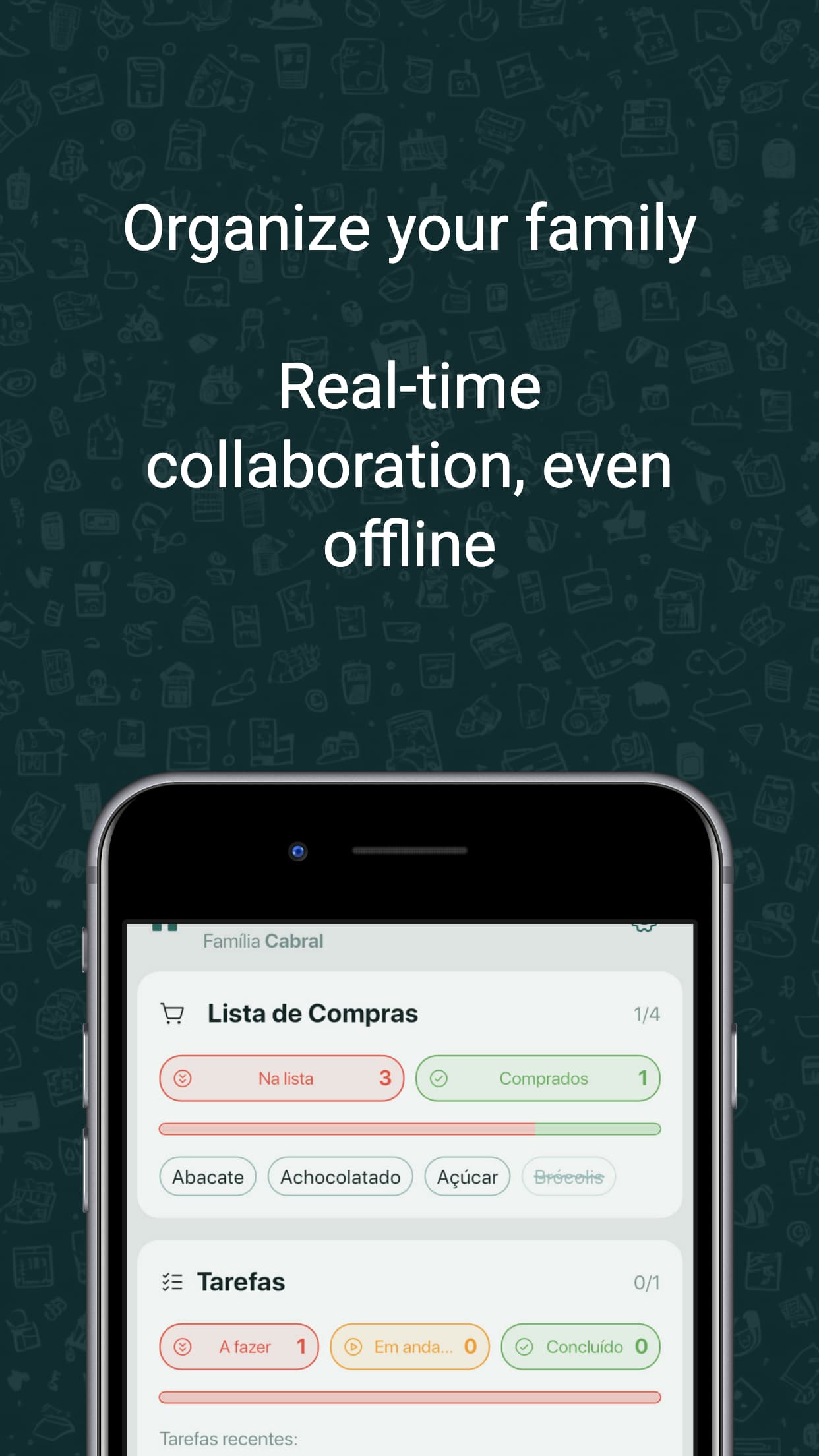
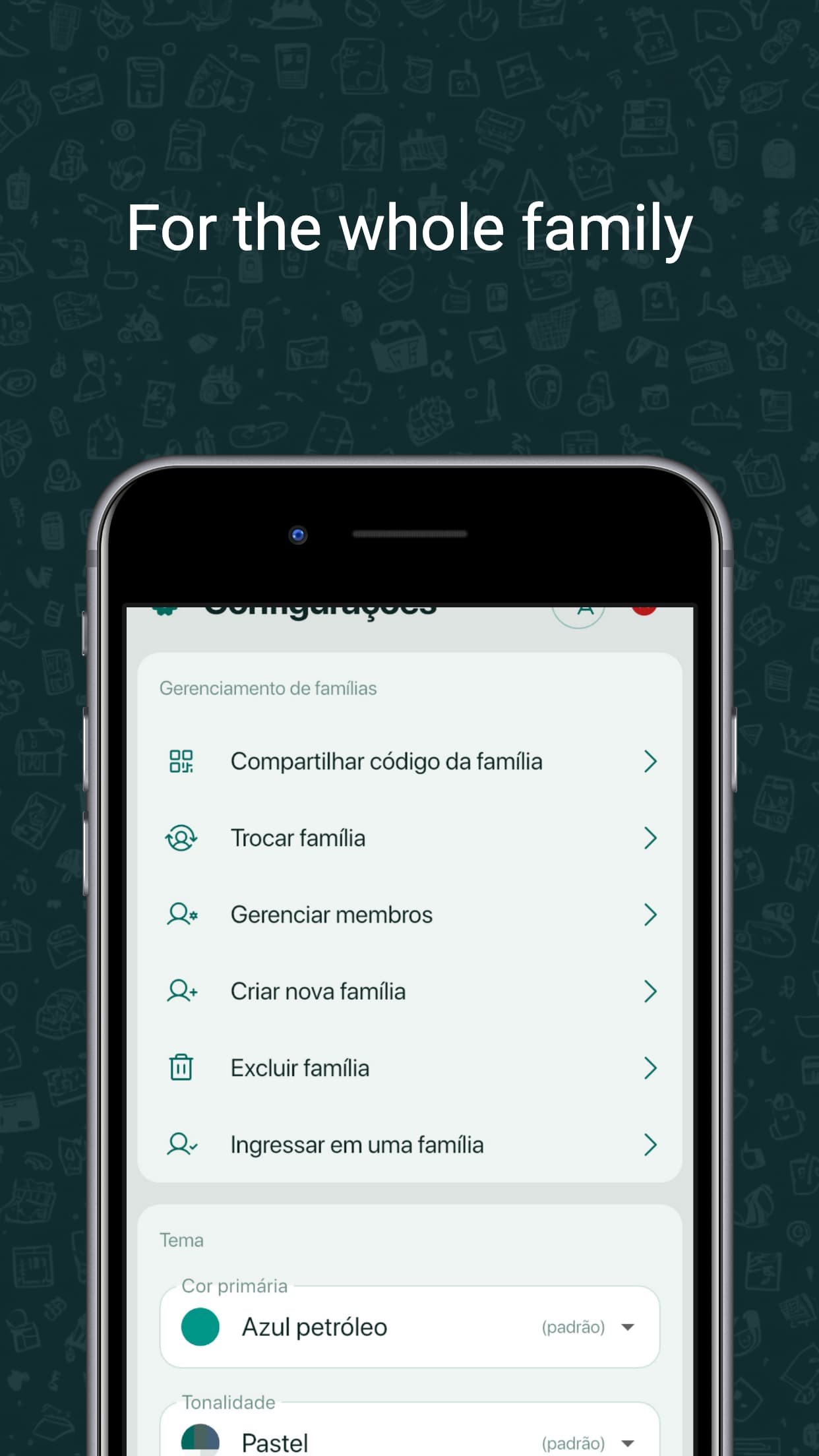
Kinora Home, a family management app that brings together in one place:
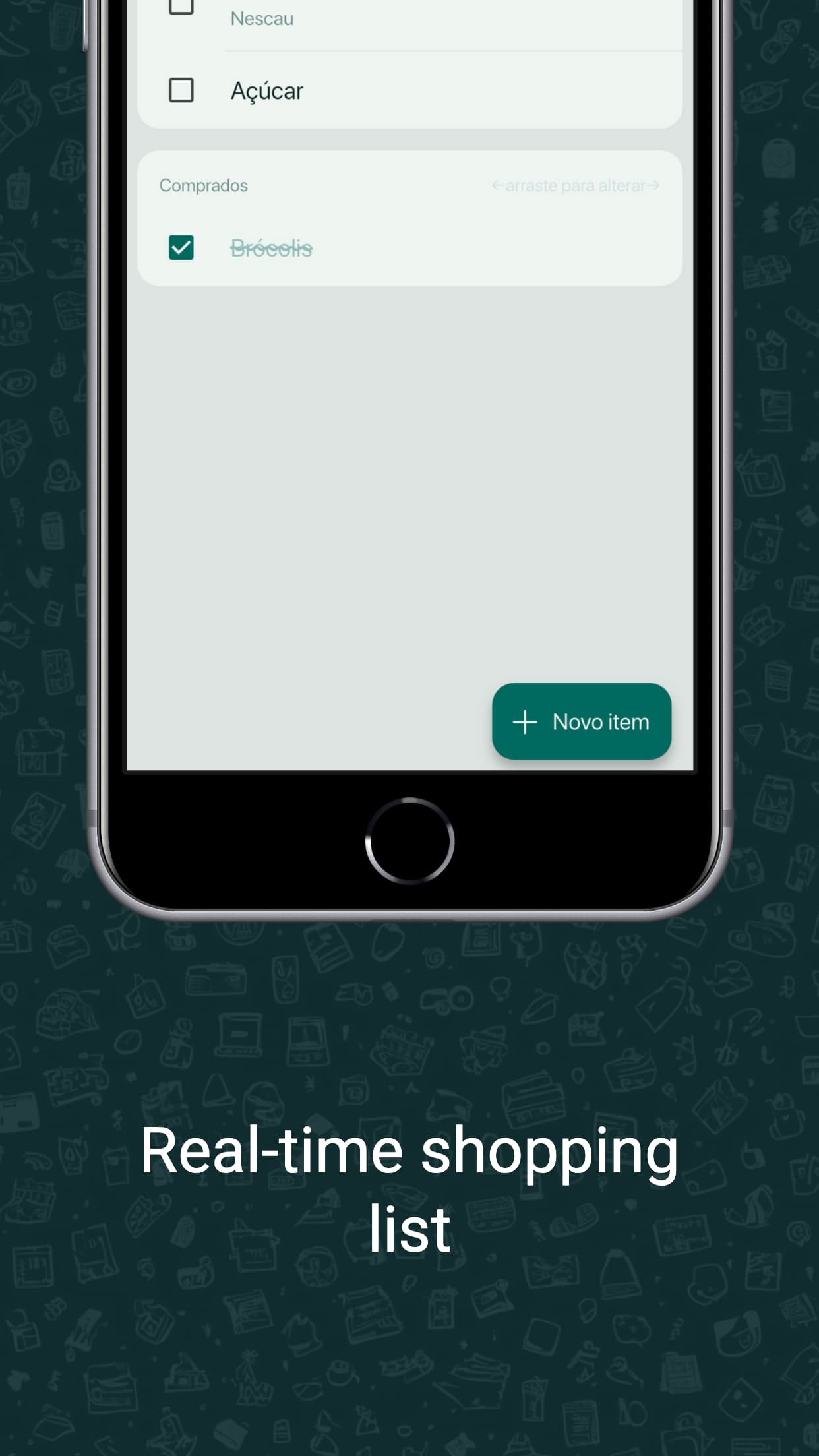
 Shared shopping list
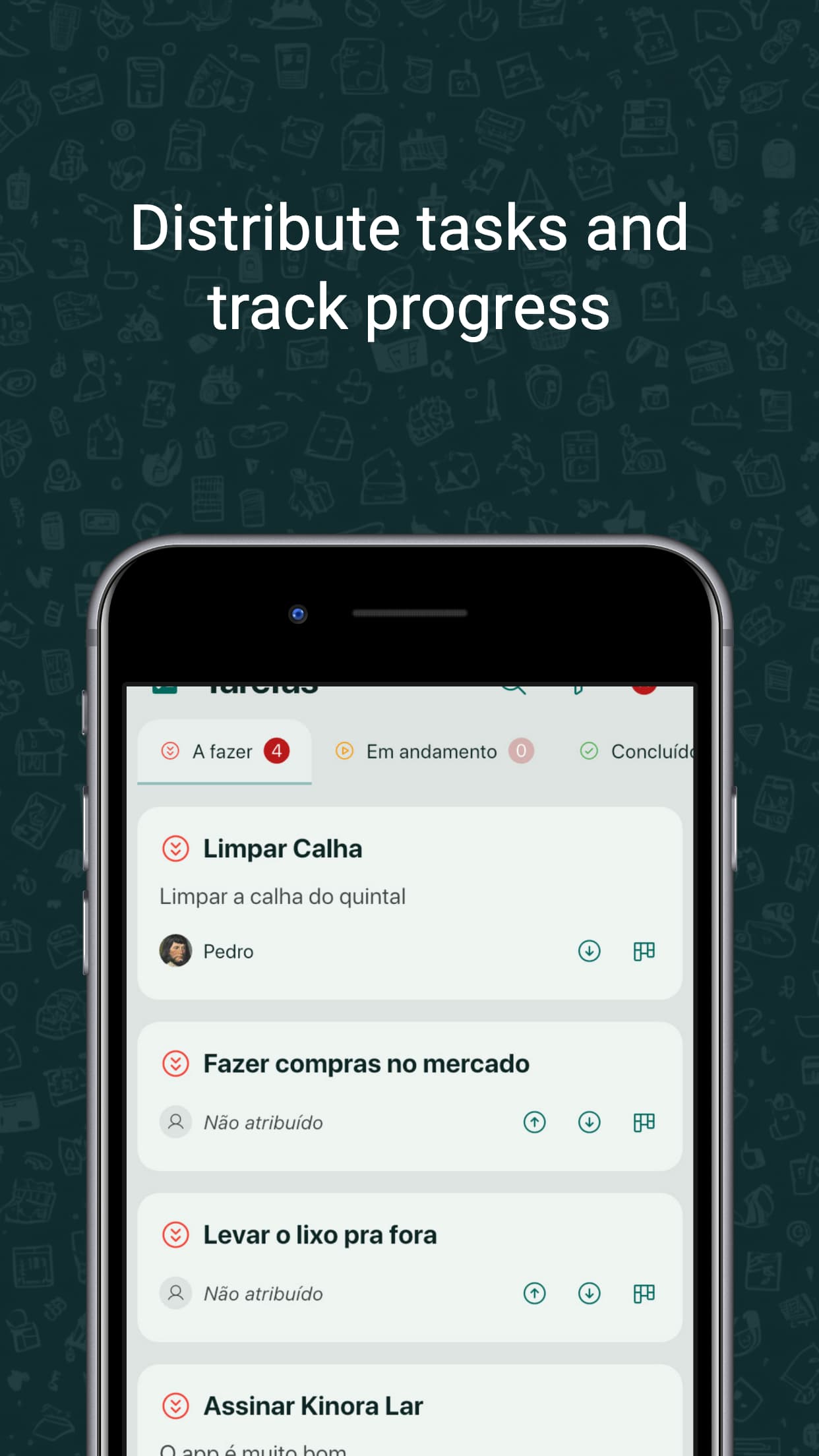
 Tasks and responsibilities
 Expiration control (food, medicine, etc.)
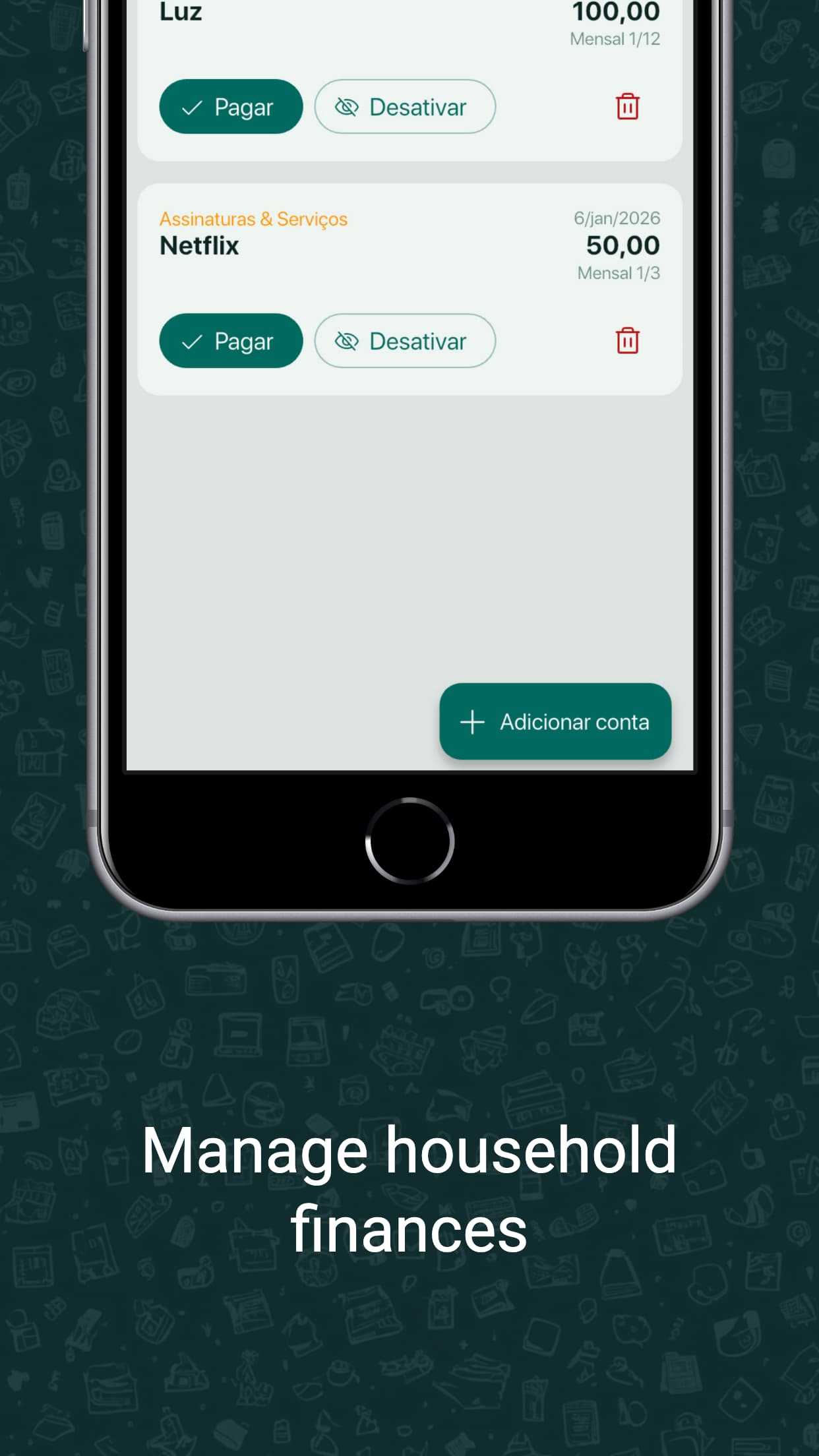
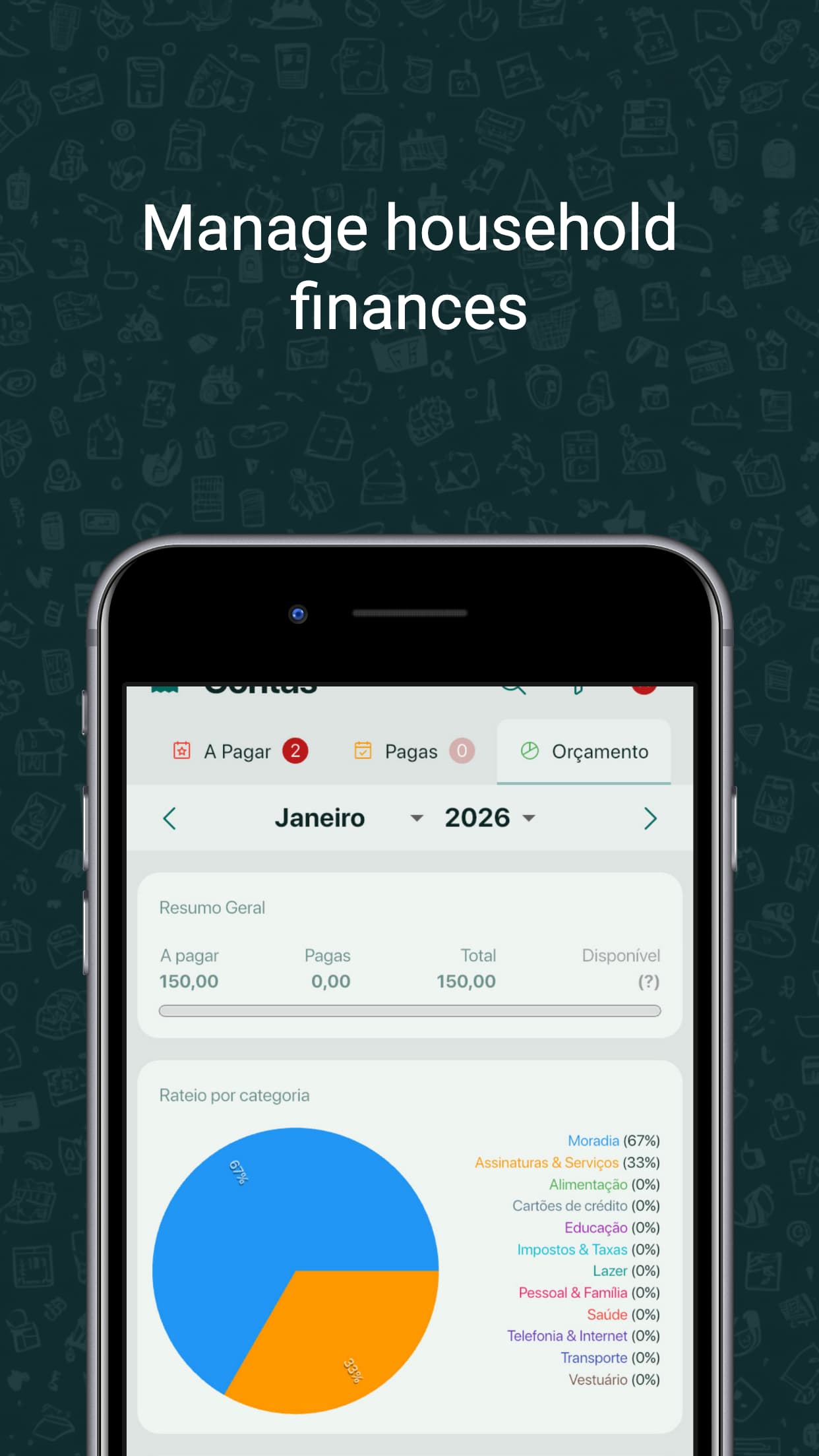
 Bills to pay
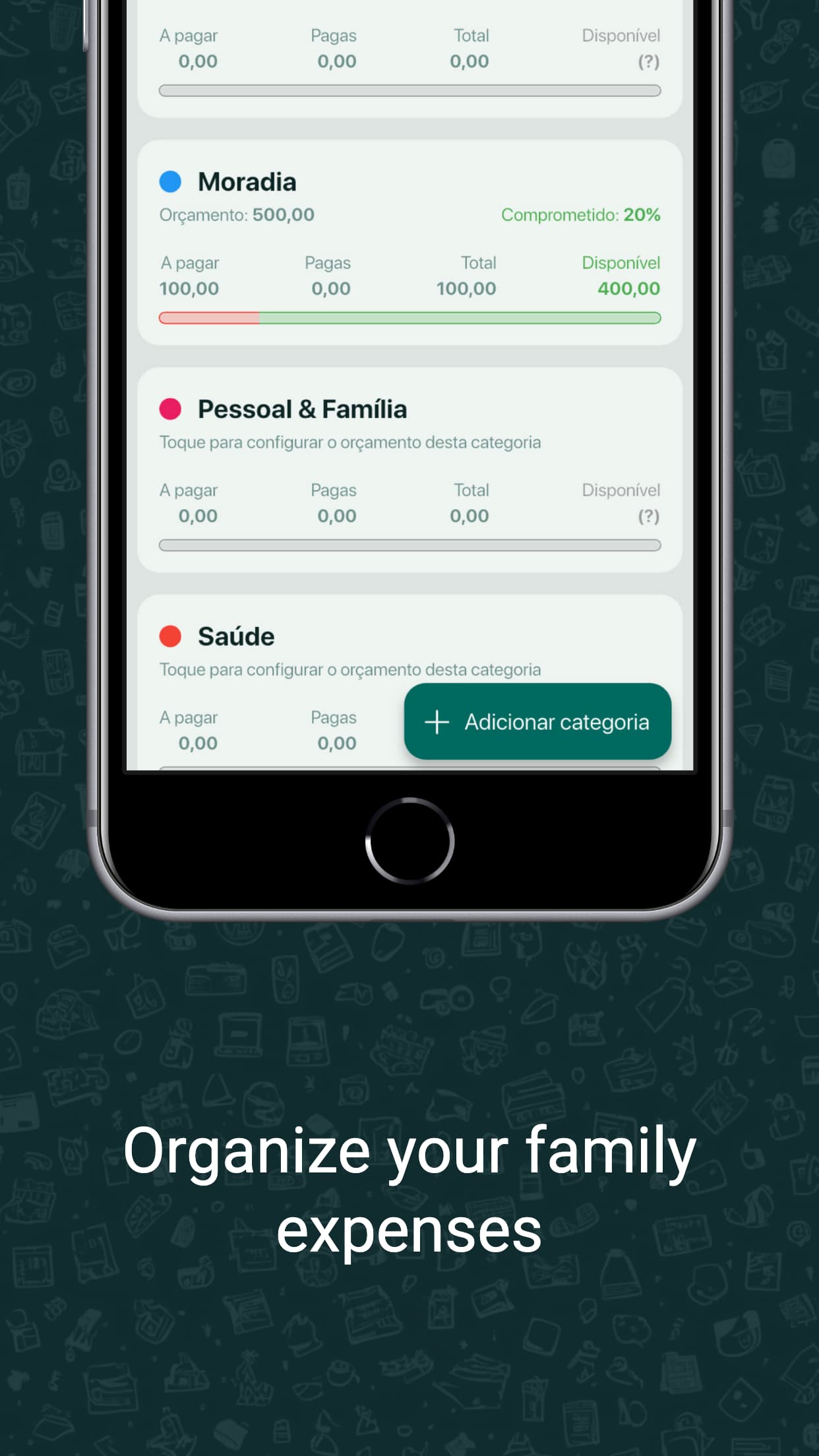
 Family budget
The key difference isn’t just what it does—but how it does it.
Truly offline-first + real-time synchronization
Kinora Home was built from the ground up with an offline-first architecture.
This means that:
-
The app works 100% even without internet access
-
All actions are saved locally
-
When the connection returns, the data synchronizes automatically
-
Synchronization is in real time between family members
Real-life example:
Husband and wife at the supermarket, each in a different aisle, both using the same shopping list — items marked by one appear instantly for the other, even with an unstable connection.
This eliminates conflicts, rework, and that classic “did you already buy that?” situation.
Technical Stack
To enable this model, Kinora Lar uses a modern stack focused on consistency, scalability, and low latency:
Flutter — cross-platform app (Android and iOS)
SQLite — local database on the device
PostgreSQL — central database
Hasura — real-time GraphQL API
PowerSync — bidirectional offline-first synchronization
0 lines of code in the backend
This architecture allows each device to be a “temporary source of truth” and for the backend to resolve conflicts deterministically when data converges.
Product Status
 Android: already available
 iOS: under approval by Apple

If you work with collaborative apps, offline-first, real-time sync, or distributed architectures, I’d be happy to exchange experiences.